
About the Explorer Jupiter-C Rocket 3D model
Explorer Jupiter-C Rocket is a low-poly space model with 8,933 triangles and 6,388 vertices. It measures 2.41 × 17.47 × 2.41 m in real-world units and uses 2 textures and 7 materials, all packed into one 133 KB .glb file.
It is model 4 of 20 in the Planets & Small Bodies collection, so it shares a scale and art style with the rest of that set — you can mix them in one scene or download the whole collection as a single pack.
It is a static (unrigged) mesh, ready to place in a scene as-is in Blender, Unity, Unreal, Godot, three.js or Babylon.js.
At this triangle count it suits mobile and web games, AR and VR. Typical uses: sci-fi games, space education and science apps, planetarium-style scenes, renders and posters.
Released under Public domain: free for personal and commercial projects.
Explorer Jupiter-C Rocket: common questions
- Is the Explorer Jupiter-C Rocket 3D model free for commercial use?
- Yes. It is licensed under Public domain, which allows personal and commercial use.
- What file format is Explorer Jupiter-C Rocket in?
- A single glTF 2.0 binary (.glb) file of 133 KB with the mesh and textures embedded. Blender, Unity, Unreal, Godot, three.js and most 3D apps open it directly.
- How many polygons does Explorer Jupiter-C Rocket have?
- 8,933 triangles and 6,388 vertices, which makes it a low-poly model.
- Is Explorer Jupiter-C Rocket rigged or animated?
- No, it is a static mesh. You can still place, scale and recolour it, or add your own rig in Blender.
More like this
View collection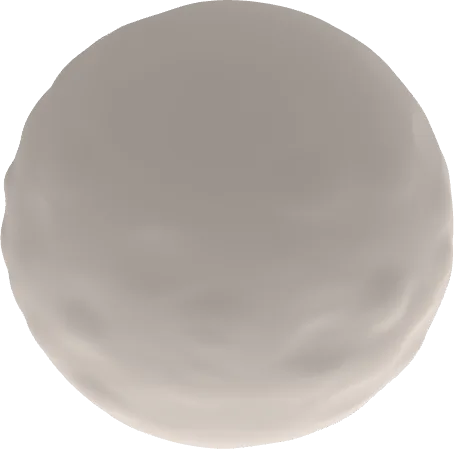
1999 RQ36 asteroid
Planets & Small Bodies

Cloud-Aerosol Lidar and Infrared Pathfinder Satellite (CALIPSO)
Planets & Small Bodies
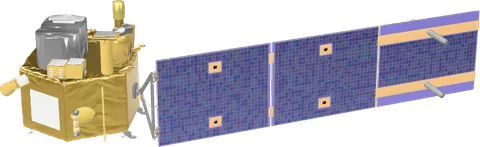
Earth Observing-1 (EO-1)
Planets & Small Bodies
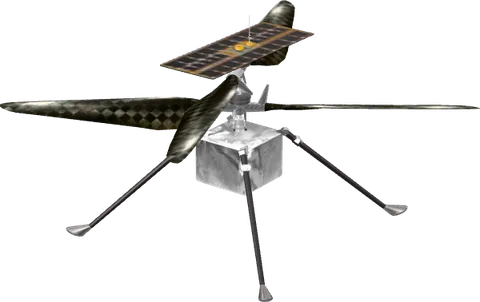
Ingenuity Mars Helicopter
Planets & Small Bodies
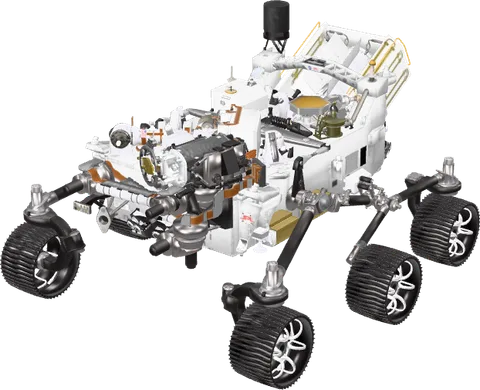
Mars 2020 Perseverance Rover
Planets & Small Bodies